
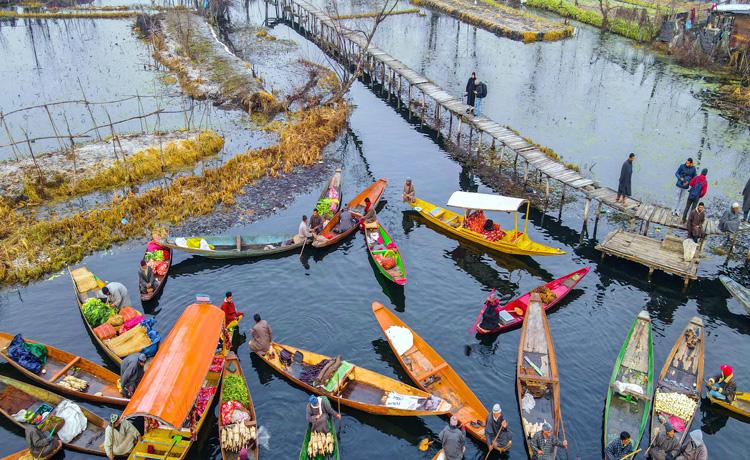
If you have ever dreamed of waking up to a world draped in white, Kashmir in winter is the answer. Rooftops wear a blanket of snow, chinar trees stand bare against pale skies, and the smell of freshly baked bread drifts through quiet lanes. Winter is a quieter, cosier and arguably more magical side of the Valley. This guide covers everything you need to plan a safe and enjoyable snow trip.
Why Visit Kashmir in Winter?
- Guaranteed snow scenery: Gulmarg, Pahalgam and Sonamarg often turn into snow wonderlands between December and February.
- Adventure sports: Skiing, snowboarding, sledding and snow trekking.
- Fewer crowds: Famous spots feel peaceful, and photographers love the soft winter light.
- Cosy culture: Warm kahwa, hearty Kashmiri food and traditional hospitality.
Best Months for Snow
- December: Snowfall begins in the higher areas, and the festive season brings visitors.
- January: The coldest month and the heart of Chillai Kalan, the 40-day harshest winter period (roughly 21 December to 31 January). Expect heavy snow and very low temperatures.
- February: Snow still blankets the mountains, with slightly milder days and better conditions for activities.
- Early March: Last chance for snow before spring blossoms arrive.
Top Places to Experience Winter
1. Gulmarg: The Ski Capital
Gulmarg is the star of Kashmir's winter. Ride the Gulmarg Gondola over snowy slopes, try beginner ski lessons with certified instructors, or enjoy sledding and snowball fun. Even if you don't ski, the views alone are worth the trip.
2. Srinagar: Frozen-Lake Charm
Dal Lake looks different in winter, with mist, bare willows and snow-dusted houseboats. In very cold spells, parts of the lake's edges can freeze. Visit the Mughal Gardens for a stark, peaceful beauty and warm up in the Old City over hot bakery bread.
3. Pahalgam: Quiet Snowy Valleys
Pahalgam is calmer than Gulmarg, ideal for families and couples. Enjoy snow walks near the Lidder River and scenic spots like Betaab and Aru Valley, subject to road and weather conditions.
4. Sonamarg and Doodhpathri
Access depends heavily on snowfall and road clearance, so always confirm current conditions before heading out. When open, these places offer pure, untouched snow landscapes.
Sample 5-Day Winter Itinerary
- Day 1: Arrive in Srinagar. Rest, check in and enjoy a warm Kashmiri dinner.
- Day 2: Srinagar sightseeing. Mughal Gardens, Dal Lake and Old City, with a shikara ride if conditions permit.
- Day 3: Gulmarg day trip. Gondola ride, snow activities and ski lessons.
- Day 4: Pahalgam excursion, or a relaxed day in Srinagar if roads are affected by snow.
- Day 5: Last-minute shopping for shawls and dry fruits, then departure.
Always keep one buffer day, because snowfall can delay roads and flights.
What to Pack for a Kashmir Winter Trip
- Thermal innerwear (top and bottom)
- Heavy down jacket or padded coat
- Woollen cap, gloves and scarf
- Waterproof, grip-soled boots (essential for snow)
- Woollen socks (carry extra pairs)
- Moisturiser, lip balm and sunscreen (snow glare is strong)
- Sunglasses to protect against snow reflection
- Power bank, since cold weather drains batteries faster
- Basic medicines for cold, cough and altitude discomfort
Tip: Gulmarg shops rent ski suits, gloves and boots, so you don't need to buy expensive gear for a short trip.
Winter Stay Options
- Hotels with room heaters or central heating: The most comfortable choice for most travellers.
- Houseboats: Magical to see in winter, but confirm that proper heating is available before booking.
- Gulmarg resorts: Book early, since winter weekends and New Year dates fill up fast.
Local Winter Traditions You Should Try
- Kangri: A traditional clay firepot carried under the pheran (long woollen cloak) to stay warm.
- Harissa: A slow-cooked winter meat dish, usually available in the early morning during the cold season.
- Noon Chai and Kahwa: The best way to warm up after a snowy day.
- Hokh Syun: Sun-dried vegetables that Kashmiri families preserve for winter meals.
Safety Tips for Winter Travel
- Check weather forecasts and road status daily before moving between destinations.
- Avoid driving at night on snowy mountain roads.
- Hire experienced local drivers who know snow-driving conditions.
- Keep flexible dates, as flights and highways can be affected by heavy snowfall.
- Follow official travel advisories and guidance from local authorities.
- Carry valid government ID, as it is needed for hotel check-ins and checkpoints.
- Agree on prices for sledges, ski gear and gondola add-ons before using them.
- Postpaid SIM cards generally work in the region, while prepaid ones from outside often do not.
Should You Book a Local Operator in Winter?
Winter travel in the mountains is far less predictable than summer travel. A knowledgeable local team can reroute your plan when roads close, arrange heated accommodation, and keep you away from risky areas. This is where a trusted Kashmir tour operator can make a real difference, especially for first-time visitors, families and honeymooners.
Budget Tips for a Winter Trip
- Travel in early December or late February for better rates than the peak holiday weeks.
- Book flights and hotels well ahead for Christmas and New Year.
- Choose a package that bundles stay, transport and sightseeing to avoid surprise costs.
- Keep a little extra cash for snow gear rentals and local activities.
Final Thoughts
Kashmir in winter is slow, silent and spectacular. Whether you are sipping kahwa beside a window while snow falls, or gliding down a slope in Gulmarg, the season leaves memories that last for years. Plan early, pack warm, stay flexible, and the Valley will reward you.
Planning your snow trip? Explore flexible Kashmir tour packages built for winter travellers.