
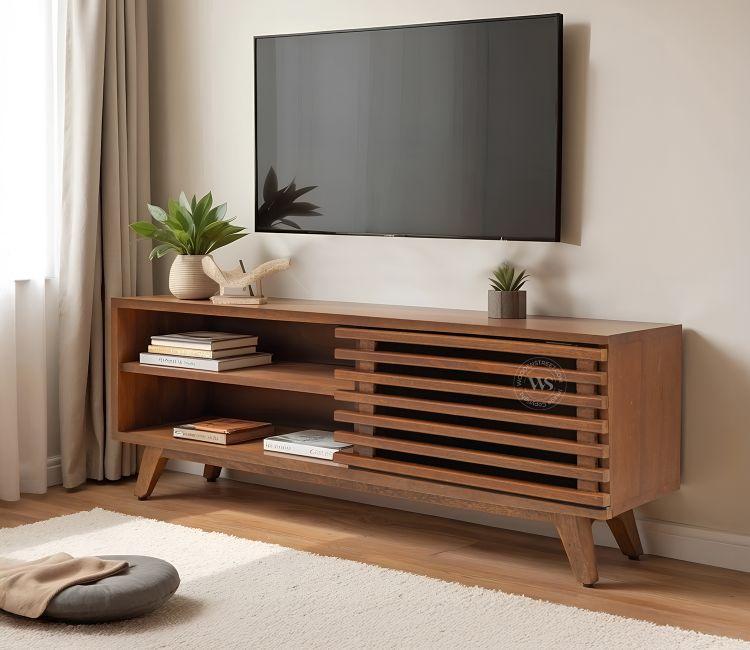
In modern homes, the TV unit is no longer just a stand to hold the television. It has evolved into a centerpiece that reflects style, functionality, and organization. A well-designed TV unit enhances the visual appeal of a living room while providing ample storage for entertainment gadgets, books, décor, and more. Today, homeowners are looking for innovative designs that combine storage efficiency with aesthetic charm, creating a seamless balance between beauty and practicality.
The Evolution of the TV Unit
Over the years, the TV unit has transformed from a simple table into a statement piece of furniture. Earlier designs focused mainly on holding the television safely. However, with the advent of sleek, wall-mounted televisions and compact interiors, the focus shifted toward creating multifunctional designs. Modern TV unit concepts now emphasize clean lines, smart storage options, and elegant finishes that complement a variety of home décor styles.
This evolution also aligns with the changing lifestyles of homeowners. With open-concept living spaces becoming more common, the TV unit serves not only as an entertainment hub but also as a visual divider and décor enhancer.
Blending Functionality with Aesthetic Appeal
A well-designed TV unit strikes a perfect balance between utility and design. Homeowners today prefer units that can conceal wires, organize media accessories, and offer storage for books, remotes, and other essentials. The visual aspect is equally important — the choice of material, color, and finish can transform the overall look of the living area.
Wood remains a timeless favorite for TV unit designs due to its warmth and versatility. However, materials like glass, metal, and engineered wood have also gained popularity for creating a more contemporary feel. Combining these materials often results in a unique texture and layered appeal that enhances the living space’s character.
Smart Storage Solutions for Modern Living
Storage plays a vital role in designing a practical TV unit. In today’s compact homes, making the most of available space is crucial. Designers are integrating clever storage features that make organization effortless without compromising style.
Floating TV units are a great example of innovation in design. These wall-mounted units give a clean and airy appearance, making the room look more spacious. They usually feature hidden drawers or cabinets to store cables, remote controls, or gaming consoles. Floor-standing units, on the other hand, offer larger compartments and are ideal for those who prefer more storage space.
Some modern designs also incorporate vertical shelves or side cabinets, adding symmetry and visual balance to the setup. These units not only hold decorative pieces but also make the entertainment corner more personalized and stylish.
The Role of Lighting in TV Unit Design
Lighting can dramatically elevate the appearance of a TV unit. Integrated LED lights behind or around the unit create a subtle glow that enhances the viewing experience and highlights the design elements. Soft backlighting reduces eye strain while watching television and adds a cozy ambiance to the room.
Designers often use light strips to emphasize floating panels or shelves. The combination of warm lighting with neutral tones gives the TV unit an elegant and sophisticated look, while cooler light tones suit modern, minimalist interiors.
Space Optimization in Compact Homes
Urban homes often have limited floor area, making space optimization a top priority. Innovative TV unit designs now cater to smaller living spaces without compromising on functionality or style.
Wall-mounted TV units are one of the most effective solutions for compact homes. They utilize vertical space efficiently, keeping the floor area free and making the room appear larger. Additionally, units that integrate both open and closed storage help maintain a clutter-free environment while allowing homeowners to display decorative accents.
For studio apartments or open layouts, a TV unit can even act as a room divider. Such designs not only separate areas functionally but also maintain a sense of openness and flow within the space.
Material and Finish Selection for Style Impact
The choice of material greatly influences the overall aesthetic of a TV unit. Solid wood offers durability and a timeless look, while engineered wood provides affordability with a similar visual appeal. Metal accents, glass panels, and matte laminates can give a modern touch, perfect for contemporary homes.
The finish also plays a significant role in setting the mood. Glossy finishes make the unit stand out, reflecting light and giving the room a bright, luxurious appeal. Matte finishes, in contrast, create a subtle, sophisticated vibe ideal for minimalist interiors. The blend of colors and textures helps in achieving a balanced and visually pleasing design.
Customization for Personalized Living
Every home has unique needs, and customization allows homeowners to create a TV unit that fits perfectly into their lifestyle. Whether you prefer a compact floating unit or a full-wall entertainment setup, customization ensures every inch of space is used effectively.
Custom-built units can be tailored to include specific compartments for speakers, consoles, or decorative items. They also allow flexibility in choosing materials, colors, and finishes that match the rest of the interior theme. This level of personalization makes the TV unit not only functional but also an extension of one’s style and personality.
Creating a Balanced Visual Composition
A well-planned TV unit can enhance the symmetry and flow of the living space. The placement of shelves, cabinets, and décor items should be balanced to create harmony. Designers often emphasize proportion — ensuring that the television does not overpower the unit, and the storage elements complement the overall layout.
Including a mix of open and closed storage sections helps achieve a balanced visual rhythm. Decorative items like plants, photo frames, or sculptures can add a personal touch, while closed cabinets maintain neatness and order. The key is to maintain equilibrium between functionality and aesthetics.
The Future of TV Unit Design
With technology constantly evolving, the design of the TV unit continues to adapt. Minimalist, modular, and smart furniture concepts are shaping the future of entertainment setups. Smart TV units now come with built-in charging points, hidden wire management systems, and adaptive lighting to create a clean and efficient space.
Sustainability is also gaining importance. Designers are focusing on eco-friendly materials and responsible production methods to create units that are both stylish and sustainable. The future of the TV unit lies in merging innovation with conscious design that serves the modern lifestyle without compromising the planet’s well-being.
Conclusion
The TV unit has become more than just a furniture piece; it is now an integral part of modern living room design. Combining storage, functionality, and aesthetics, today’s innovative designs redefine how we perceive entertainment spaces. Whether it’s a floating minimalist setup or a large wall-mounted structure with layered storage, the right TV unit can transform an ordinary living room into a sophisticated, organized, and visually appealing retreat.