
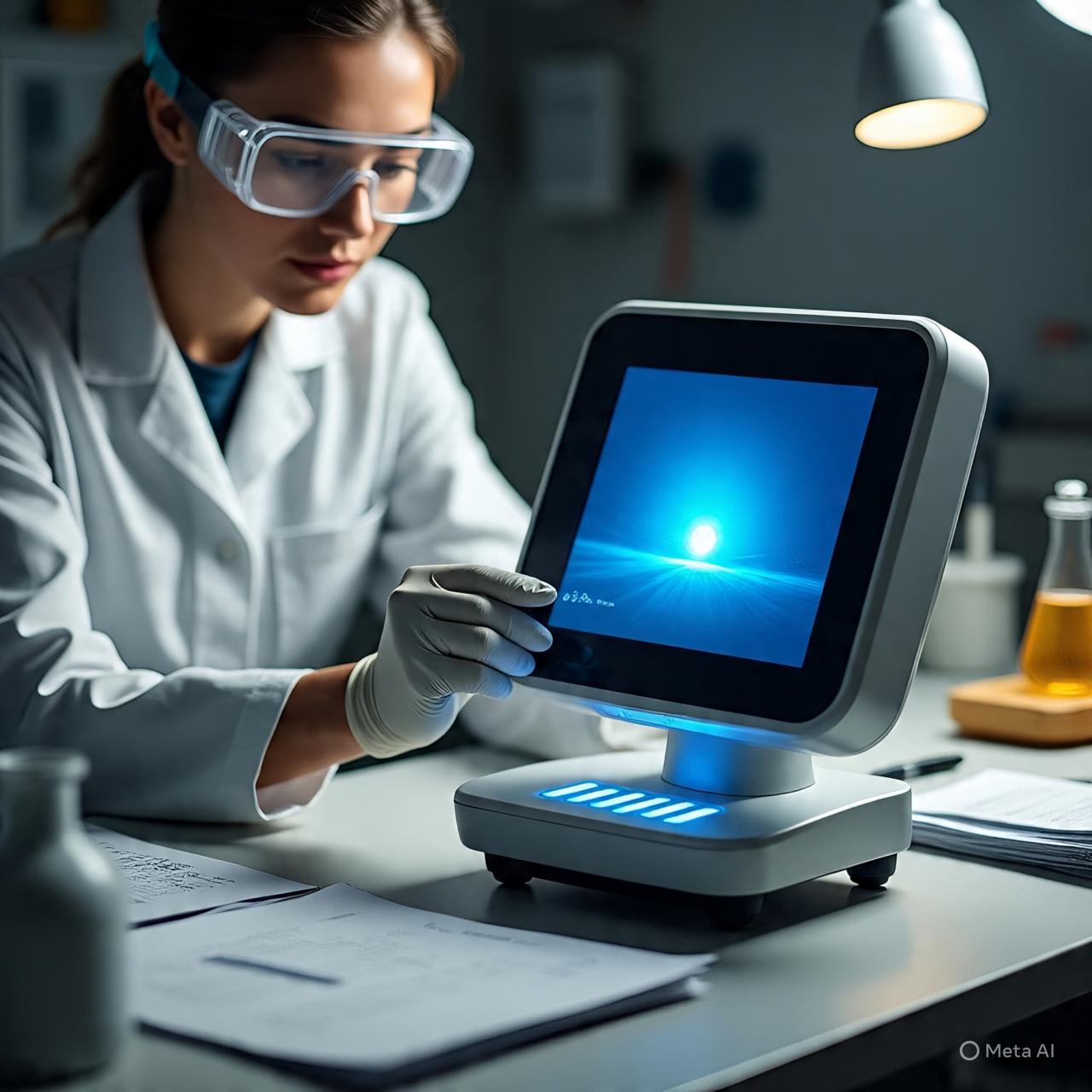
Understanding the Importance of UV Detector
The sun is a natural source of light and energy, but it also emits ultraviolet (UV) rays that are invisible to the human eye. These rays can harm our skin, eyes, and overall health if we are exposed to them for too long. A UV detector is a device that helps us measure the intensity of these ultraviolet rays so we can protect ourselves effectively.
A UV detector is no longer just a tool for scientists or researchers. Today, anyone who spends time outdoors can benefit from it. Whether you are going for a walk, exercising, gardening, or relaxing at the beach, knowing the UV levels allows you to make safer choices. Modern UV detectors are portable, easy to use, and provide instant readings, giving you real-time information to prevent sunburn, premature aging, and serious health risks like skin cancer.
In this article, we will explore everything about UV detectors, including how they work, types, benefits, choosing the right device, common mistakes, and practical ways to protect yourself from harmful UV rays. By the end, you will understand why a UV detector is an essential tool for maintaining your health under the sun.
How a UV Detector Works In Everyday Life
A UV detector is a device that measures ultraviolet radiation, which is invisible but highly influential on our health. UV rays are categorized into three types: UVA, UVB, and UVC. UVA rays penetrate deep into the skin, causing premature aging and wrinkles. UVB rays are responsible for sunburn and can damage skin cells, increasing the risk of skin cancer. UVC rays are mostly absorbed by the ozone layer, so they rarely reach the Earth.
The device contains sensors that detect UV rays and convert them into readable data. Most UV detectors show results using a UV index, which ranges from 0 to 11+. A higher number indicates stronger UV radiation. Some advanced models also use color codes or alarms to alert users when UV levels are dangerous.
Using a UV detector allows you to make informed decisions. For example, if the UV index is high, you can apply sunscreen, wear sunglasses or protective clothing, or seek shade. Even on cloudy days, UV rays can be strong, so having a UV detector gives you a clear understanding of when it’s safe to be outdoors.
Different Types of UV Detectors Available Today
UV detectors are available in several forms, each serving different purposes. The most common type is the handheld UV detector. These are small, portable, and provide instant readings, making them ideal for outdoor activities like hiking, walking, or visiting the beach. Handheld detectors are easy to use and can easily fit into a bag or pocket.
Another type is the wearable UV detector. These devices can be attached to wristbands, smartwatches, or clothing. Wearable detectors continuously monitor UV exposure and can alert users when UV levels are high. This type is perfect for people who spend long hours outside and need constant monitoring without checking the device repeatedly.
There are also stationary UV detectors, which are installed in fixed locations like gardens, playgrounds, or public spaces. These detectors provide continuous UV monitoring for a specific area. Some advanced models are integrated with weather stations or smart home systems, giving additional information like temperature and humidity along with UV readings.
Choosing the right type depends on your lifestyle. Handheld detectors are ideal for occasional use, wearable ones for continuous monitoring, and stationary detectors for fixed areas. Knowing the types will help you select the UV detector that best suits your needs.
Benefits of Using a UV Detector Every Day
Using a UV detector regularly provides many benefits. First and foremost, it helps with skin protection. By monitoring UV intensity, you can apply sunscreen, wear protective clothing, and avoid prolonged exposure, reducing the risk of sunburn and long-term skin damage.
UV detectors also protect your eyes. Long-term exposure to UV rays can cause cataracts, eye irritation, and other vision problems. By using a UV detector, you know when it’s time to wear sunglasses or protective eyewear.
Another advantage is planning outdoor activities safely. UV detectors allow you to schedule outdoor activities during times when UV levels are lower, typically in the early morning or late afternoon. This is especially useful for children, seniors, or people with sensitive skin.
Moreover, UV detectors raise awareness about hidden UV risks. Many people assume that cloudy or cool days are safe, but UV rays can pass through clouds and reflect off surfaces like snow, sand, and water. A UV detector provides accurate, real-time information so you can make better choices and stay safe even in less sunny conditions.
How to Choose the Best UV Detector for Use
Choosing the right UV detector is essential to ensure accurate readings and effective protection. Start with accuracy. High-quality detectors provide reliable data, while cheaper models may give inconsistent readings. Look for certified devices or ones with good user reviews.
Next, consider the type of UV detector that fits your lifestyle. Handheld detectors are perfect for occasional outdoor use, wearables are ideal for continuous monitoring, and stationary detectors are suitable for homes or gardens.
Battery life is another key factor. Some UV detectors use rechargeable batteries, while others rely on disposable ones. Make sure the device’s battery suits your usage habits.
Ease of use is also crucial. Look for devices with clear displays, simple controls, and easy-to-understand alerts. Some UV detectors use color codes or vibrations to indicate high UV levels, making it easier to respond immediately.
Extra features such as smartphone connectivity, weather updates, or temperature readings can enhance the device but are optional. By considering accuracy, type, battery life, and ease of use, you can select a UV detector that meets your needs and protects your health effectively.
Common Mistakes People Make With UV Detectors
Even with a UV detector, mistakes can reduce its effectiveness. One common error is using the device incorrectly, such as placing it under shade or clothing. For accurate readings, the sensor must be directly exposed to sunlight.
Another mistake is checking UV levels only once a day. UV intensity changes throughout the day, peaking between 10 a.m. and 4 p.m. Relying on a single reading may lead to overexposure.
Some users ignore calibration. Certain detectors need occasional calibration to maintain accuracy. Always follow the manufacturer’s instructions to ensure correct readings.
A frequent misunderstanding is believing cloudy or cool days are safe. UV rays can penetrate clouds and reflect off surfaces such as water, snow, or sand. Ignoring UV readings in such conditions can lead to sunburn or long-term skin damage.
Avoiding these mistakes ensures your UV detector works correctly and provides reliable protection for your skin and eyes.
Practical Ways to Reduce UV Exposure Safely
A UV detector is effective, but combining it with safe practices provides the best protection. Plan outdoor activities for early morning or late afternoon when UV levels are lower.
Wear protective clothing, including hats, sunglasses, and long sleeves. Tightly woven fabrics block sunlight effectively. Apply broad-spectrum sunscreen with SPF 30 or higher on exposed skin and reapply every two hours, especially after swimming or sweating.
Seek shade whenever possible. Trees, umbrellas, and covered areas reduce direct UV exposure. Use your UV detector to identify times when UV levels are high and take preventive measures.
Educating children about sun safety is equally important. Their skin is more sensitive, and monitoring UV exposure can prevent painful sunburns while reducing long-term risks. Combining UV detector use with these simple habits ensures safe and enjoyable outdoor experiences.
Conclusion: Why a UV Detector Is Essential
A UV detector is a simple yet powerful tool to protect your skin, eyes, and overall health from harmful ultraviolet rays. It provides real-time information that allows you to take precautions, such as applying sunscreen, wearing protective clothing, or seeking shade.
With handheld, wearable, and stationary options available, there is a UV detector suitable for everyone. Using a UV detector along with sun-safe habits ensures you can enjoy outdoor activities while minimizing health risks. It is a small investment that offers big benefits for daily safety and long-term well-being.
Questions and Answers About UV Detectors
Q1: Can UV detectors be used indoors?
A: Yes, they can measure UV rays that pass through windows, though the levels will usually be lower than direct sunlight.
Q2: Are all UV detectors accurate?
A: High-quality detectors are accurate, but inexpensive models may give inconsistent readings. Always check reviews and specifications.
Q3: Do wearable UV detectors need charging?
A: Most wearable detectors are rechargeable, and battery life depends on the model and usage.