
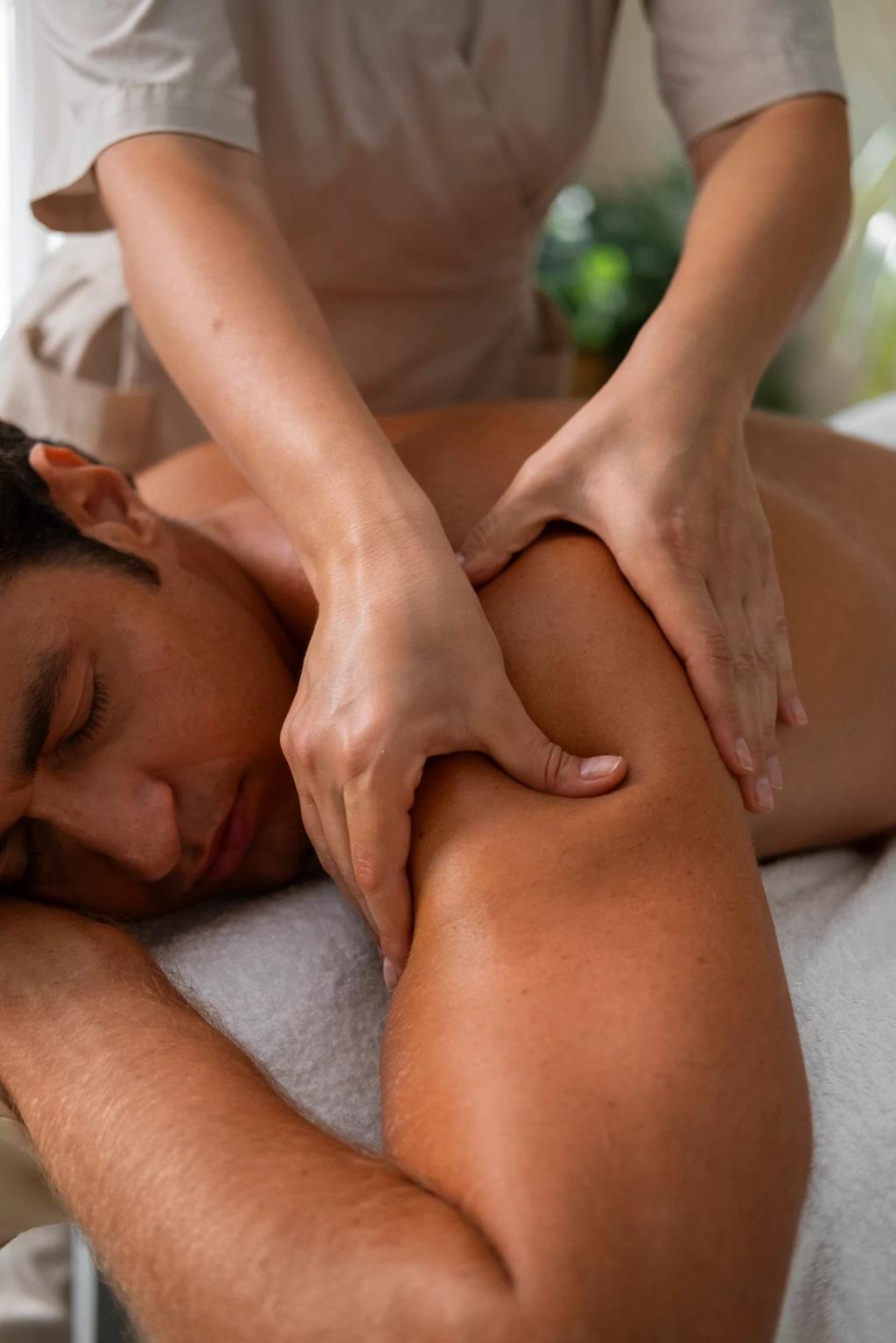
Massage therapy has long been valued for its ability to reduce stress, ease muscle tension, and improve circulation. Among the many types available, deep tissue massage and Swedish massage are two of the most popular options. Each offers unique benefits depending on your physical condition, stress levels, and treatment goals. Understanding the differences between these techniques can help you choose the right one for your body and lifestyle.
Understanding the Basics of Deep Tissue and Swedish Massage
What Is a Swedish Massage?
Swedish massage is a gentle, full-body massage technique designed to relax muscles and improve blood flow. It uses long gliding strokes, kneading, friction, and rhythmic tapping. This technique is ideal for those who are new to massage or are looking to unwind from everyday stress.
Benefits of Swedish Massage
- Reduces stress and anxiety
- Increases blood circulation
- Promotes relaxation and better sleep
- Enhances immune function
- Eases minor muscle tension
Swedish massage is often chosen for its calming effect. It’s perfect for people seeking overall relaxation without the intensity of deeper pressure.
What Is a Deep Tissue Massage?
Deep tissue massage targets the deeper layers of muscle and connective tissue. Therapists apply slower, more forceful strokes to reach areas of chronic muscle tightness and tension. It’s especially effective for people with persistent pain or musculoskeletal issues caused by overuse or injury.
Benefits of Deep Tissue Massage
- Alleviates chronic muscle pain
- Improves posture and range of motion
- Breaks down scar tissue
- Helps with recovery from injuries
- Reduces inflammation and stiffness
Unlike Swedish massage, a deep tissue massage may involve some discomfort as the therapist works through muscle adhesions. However, the long-term relief it offers is often worth it.
Key Differences Between Deep Tissue and Swedish Massage
Pressure and Technique
The most noticeable difference lies in pressure. Swedish massage uses light to moderate pressure, while deep tissue massage applies firm and targeted pressure to release deep-seated muscle tension.
Purpose and Goals
Swedish massage focuses on general relaxation and wellness. Deep tissue massage, on the other hand, is a therapeutic approach meant to treat physical ailments, such as injury recovery or postural problems.
Best Candidates for Each Massage
- Swedish massage is ideal for first-timers, those with high stress, or anyone looking for a relaxing experience.
- Deep tissue massage is better suited for athletes, physically active individuals, or people dealing with chronic pain or tightness.
Conclusion
Both deep tissue massage and Swedish massage offer exceptional benefits depending on your needs. If relaxation is your primary goal, Swedish massage may be your best choice. If you're dealing with deep muscle pain or tightness, deep tissue therapy may provide the targeted relief you need. Before deciding, consider your health goals, physical condition, and comfort level with pressure.
FAQs
Q1: Is deep tissue massage painful?
A: It can cause some discomfort as it targets tight muscles, but it shouldn’t be unbearable. Always communicate with your therapist.
Q2: How often should I get a Swedish massage?
A: For general well-being, once every 2–4 weeks is ideal. However, you can adjust based on stress levels.
Q3: Can I combine both massage types in one session?
A: Yes, many therapists tailor treatments to your needs by blending techniques.
Q4: Who should avoid deep tissue massage?
A: People with certain conditions like blood clots, osteoporosis, or recent surgery should consult a doctor first.
Q5: Which massage helps more with anxiety?
A: Swedish massage is more effective for stress and anxiety relief due to its calming techniques.